
How to Choose the Right Stethoscope: A Complete Guide for Students, Nurses & Doctors

Choosing the right stethoscope is an important decision for anyone in the medical field—whether you’re a student, nurse, doctor, or healthcare professional. A stethoscope is more than just a symbol of medicine, it is a critical diagnostic tool that helps you listen to heartbeats, lung sounds, and other internal body noises. Selecting the wrong one can lead to poor sound quality, discomfort, and even inaccurate assessments.
In this detailed guide, you’ll learn everything you need to know about choosing the perfect stethoscope for your needs.
Key Factors to Consider When Choosing a Stethoscope
Sound Quality: Whenever you choose a stethoscope, it is very important to check its sound quality. Sound quality plays a crucial role because a stethoscope is used to listen to internal body sounds such as the heartbeat, lung sounds, and blood flow. If the sound is not clear, it may lead to incorrect assessment or diagnosis. Therefore, always ensure that the stethoscope provides clear and accurate sound before purchasing it.
Comfort and Fit: You might wear your stethoscope for long hours, so comfort matters a lot. Poor comfort can lead to ear pain and fatigue. Healthcare professionals often use a stethoscope for long hours, so it should be comfortable to wear. The earpieces should fit properly in the ears and feel soft, without causing pain or irritation.
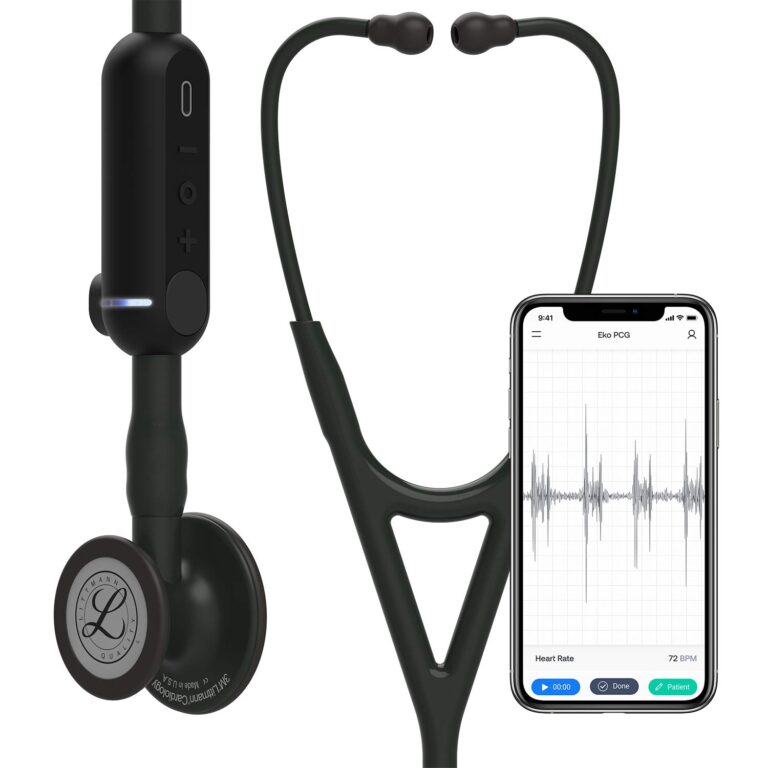
Chest Piece Design: The chest piece design is a crucial component to consider when choosing a stethoscope. The chest piece is where the sound is captured. It is the part that comes in direct contact with the patient’s body and captures sound. A good chest piece usually has two sides: the diaphragm, which is used to hear high-frequency sounds like heartbeats and lung sounds, and the bell, which is used for low frequency sounds. Choosing a well-designed chest piece ensure better sound clarity.
Durability and Material: A high-quality stethoscope should be made from strong and long-lasting materials. The chest piece is usually made of stainless steel, which provides better sound conduction and durability. The tubing should be flexible, thick, and resistant to cracking or wear over time. Investing in a durable stethoscope not only ensures long-term use but also maintains consistent performance and reliability.
Tubing Quality and Length: Tubing quality and length directly affect the sound transmission and usability. High quality tubing ensures that sound travels clearly from the chest piece to the earpieces without distortion. Shorter tubing generally provides better sound clarity, while longer tubing offers more flexibility and convenience during patient examinations. Good tubing quality enhances both performance and the overall lifespan of the stethoscop
Choosing a stethoscope based on your profession

For Medical Students
- Go for an affordable stethoscope
- Focus on basic sound clarity
For Nurses
- Choose a lightweight and durable model
- Comfort is very important
For Doctors
- Invest in high-quality or cardiology stethoscopes
- Better acoustics improve diagnosis
Final Thoughts
Choosing the right stethoscope is not just about price or brand—it’s about performance, comfort, and suitability for your role. A well-chosen stethoscope can improve your diagnostic accuracy and make your work much easier. If you are a beginner, start with a reliable mid-range acoustic model. As you gain experience and specialize, you can upgrade to a more advanced stethoscope. You can easily find high-quality stethoscopes through trusted sources such as YouTube reviews and reliable online platforms like SurgicalShoppe.co.in, where good quality products are available at reasonable prices.




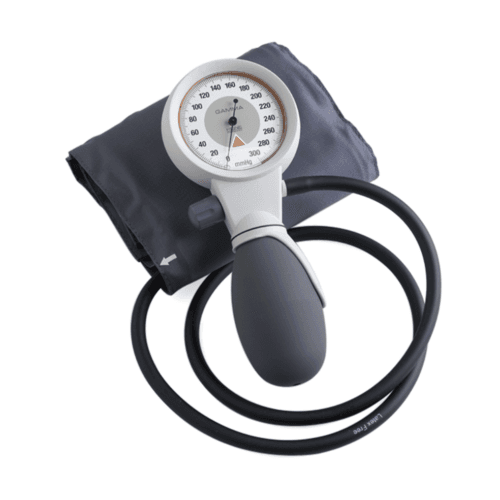 Heine Gamma G5 Sphygmomanometer | Best Aneroid BP Appratus(M-000.09.230)